SWIFT is looking pretty pleased with itself these days when it comes to the number of corporates it now has on its network. There are approximately 168 corporates connected to the SWIFT network, with major multinationals such as GE, Microsoft and IBM signing up for the SWIFT experience.
GE for example has replaced its 40 EDI connections with multiple closed user groups (CUGs) in an effort to standardise its connectivity with its global banks. But not everyone believes that GE's complete buy-in to SWIFT is the way forward. "GE's infrastructure buy-in to SWIFT is nuts," says Joe Mazzetti, executive vice president, Fundtech, adding that he doesn't see other companies rushing to do the same as they don't really want to know the ins and outs of SWIFT to the same extent that GE does.
Yet, whilst SWIFT may be satisfied with 168 corporates (or the Top 200 corporates which SWIFT CEO Leonard Schrank has alluded to), it is really a drop in the ocean when you consider how many corporates are out there. Also, what about smaller to mid-sized corporates that see Closed User Groups as too expensive and are precluded from participating in the 'exclusive' corporate participant category?
"SWIFT still has to get more corporates signed on," says Karen Cone, CEO of TowerGroup. "They should be more aggressive in the corporate space. The percentage of corporates signed on is still tiny."
The unspoken thing that nobody seems to be talking about - only in hushed whispers in corridors - is granting corporates direct connectivity with one another via SWIFT, without the need for an intermediary bank.
Showing posts with label Sibos in Sydney - corporates. Show all posts
Showing posts with label Sibos in Sydney - corporates. Show all posts
Thursday, October 12, 2006

Wednesday, October 11, 2006
No panacea for corporates
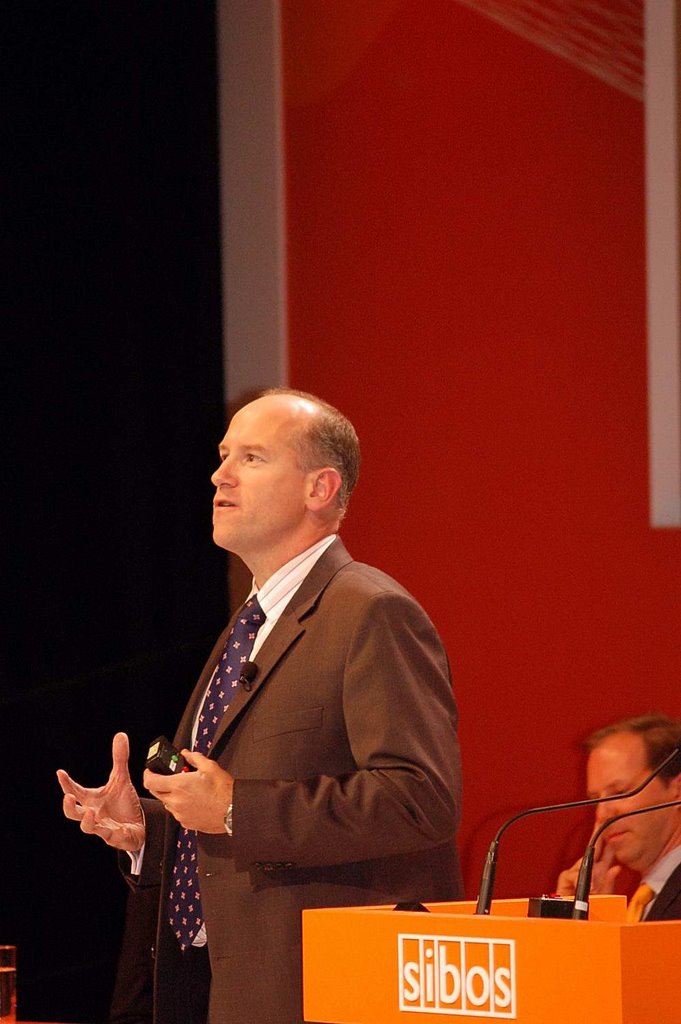
Its 4pm Wednesday afternoon and it seems that the debate about corporates on SWIFT is losing some of its lustre (did it ever have any?) at least for the less than 60 banks that bothered to show up for a session on corporates on SWIFT.
Suffering myself from a spate of afternoon malaise, I listened as HSBC bank, which proudly boasted that it was in the Top 3 globally in terms of banks connecting corporates via SWIFT, make joining SWIFT sound as easy as signing up for a gym membership.
The market feedback I have heard suggests the exact opposite: time consuming, expensive and a steep learning curve particularly for those corporates lumbered with banks that are not that experienced in connecting corporates to SWIFT. HSBC's Marcus Treacher said that moving on to SWIFT was not "IT intensive", which seems to conflict with corporate perceptions.
Treacher made a big deal about the fact that a survey it had conducted demonstrated that 39% of 200 corporates planned on implementing an MA-CUG in the next 12 months, compared to 31% in the same study the previous year, as if to suggest that SWIFT had significant corporate buy-in. Is 39% significant?
According to Christopher Ben, Standard Chartered Bank, corporates like GE and Arcelor had achieved ROI's of 406% and 605% respectively from standardising connectivity with their banks on SWIFT. Great, whilst no corporate or any sane person could dispute the cost savings of standardising connectivity (according to Ben, proprietary banking connections cost corporates EUR 100,000 a year to maintain), corporates need to read the fine print.
Beneath all the hype is that fact that standardised connectivity does not mean standardised formats. This mirrors a conversation I had with a senior European bank the other day, which said corporates using SWIFT had discovered it was not the panacea they thought it would be. Ben more or less conceded as much saying that he expected this would come as ISO 20022 standards were rolled out.
Let's be honest, though. How can SWIFT say it has made connecting to SWIFT easier for corporates when its new corporate participant category is only open to corporates that are members of stock exchanges in FATF countries? "FATF represents some challenges for banks like Standard Chartered that have a global footprint," conceded Ben.
Subscribe to:
Posts (Atom)

